Major on Jubar Top, 06 July 1999 · retired as Colonel K.P.R. Hari, VrC
Long before Jubar Top, a cadet in E Squadron was already being shaped into the officer who would climb it.
K.P.R. Hari arrived at the National Defence Academy in the autumn term of 1978 with the 60th Course and was welcomed into E Squadron — a squadron that prized physical toughness above almost everything else, built around relentless physical training, cross-country running, boxing, and team sport. Cadets there earned the nickname "PT Squadron," and Hari was, by every account, one of its standouts: agile, competitive, and consistently among the squadron's best athletes.
He carried a broken tooth from a boxing bout for the rest of his life — a small, permanent reminder of a training culture built on absorbing hard knocks and getting back up. But course-mates remember him first for something less visible than his athleticism: a talented cadet who was, in equal measure, humble and unassuming — a thorough gentleman with a gentle smile that, they would later reflect, concealed the fierce and dedicated warrior and leader he always was.
On commissioning, Hari was posted to the Bihar Regiment. He would go on to lead a company of 1 Bihar into the Batalik Sector two decades later, in the summer of 1999.
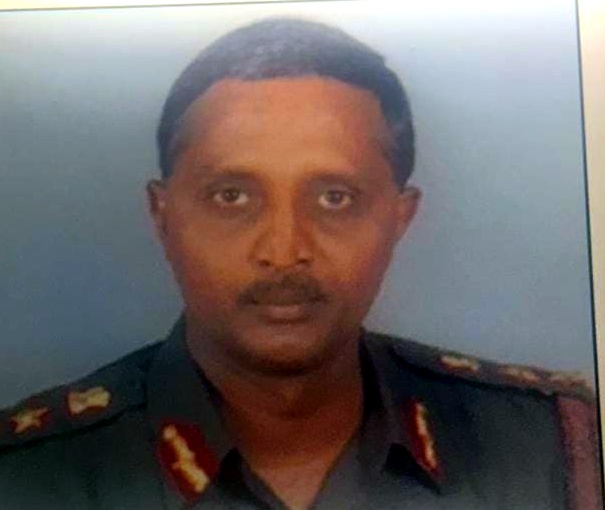
Hari went on to command as a Colonel, and by every account carried the same disposition his NDA course-mates remembered from Khadakwasla — an officer people describe first for his warmth and his smile rather than for the decoration on his chest. Those who served under him recalled a distinctive style of command that stayed with them for years afterward.
He left us early, on 17 August 2018. In the days that followed, dozens of coursemates, subordinates, and friends wrote in with the same recurring image: a cheerful, unassuming officer who happened to be, when it mattered most on a cliff face at 16,800 feet, exactly the man his regiment needed.
A school on the Kerala coast, a tri-service academy in the Sahyadris, and a regiment raised in Bihar — each left something in him that showed up on that cliff face in July 1999.
A sample of the tributes written by those who trained, served, and stayed in touch with him — condensed here in their spirit rather than reproduced in full.
On the games field he was everywhere — PT, team games, boxing — always with the same smooth, long-striding grace, as though gliding rather than running.
His turns on the cadet theatre stage left his course in fits of laughter — acting, like everything else he did, made to look effortless and natural.
Recalled by those who served under his command for a memorable, hands-on leadership style that subordinates still speak of decades later.
Described as a devoted son, husband, and father whose loss was felt as deeply at home as it was across his regiment.
Almost every tribute mentions the same thing first: a warm, easy smile that never seemed to leave him, on the parade ground or in the field.